
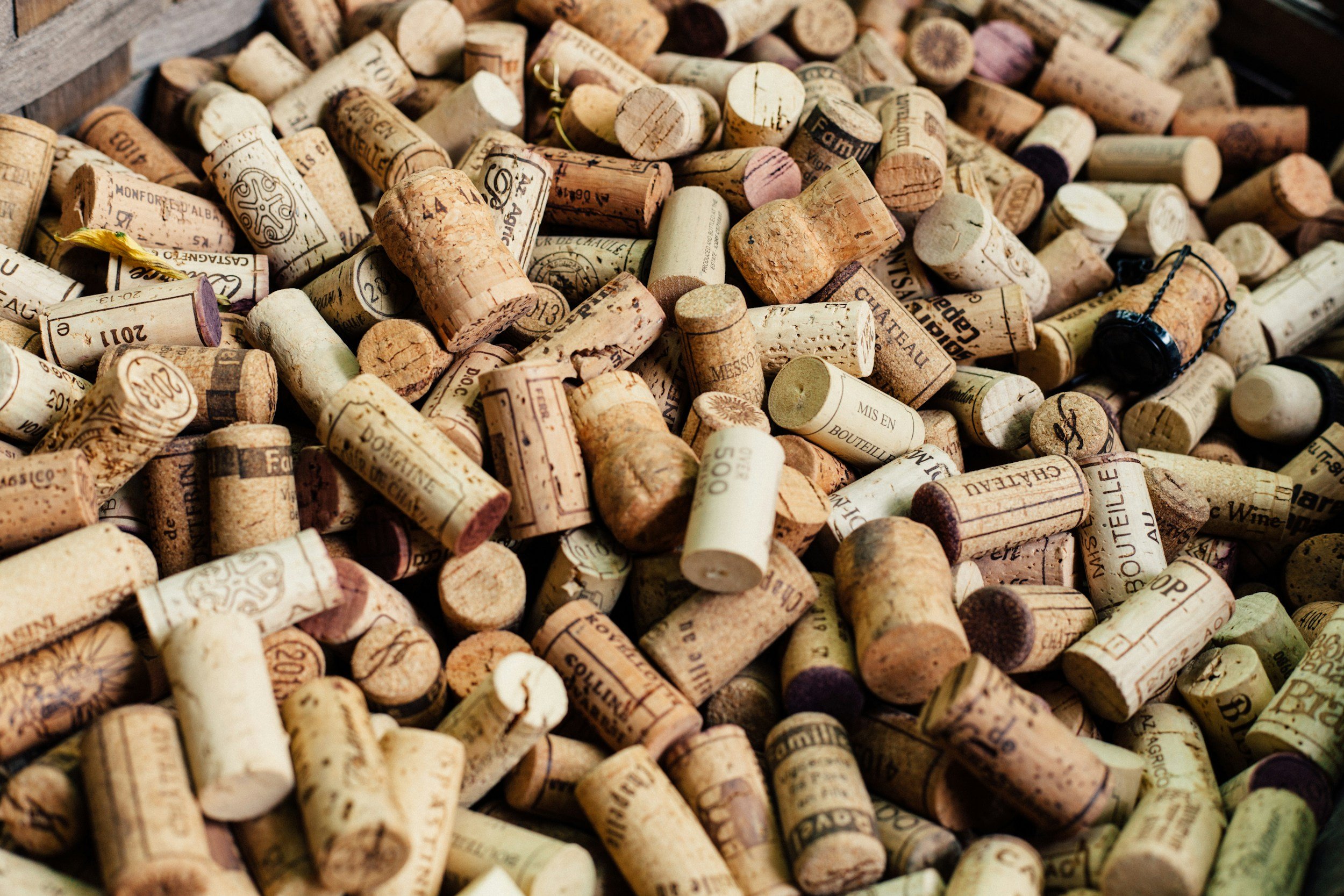
All Things Cork
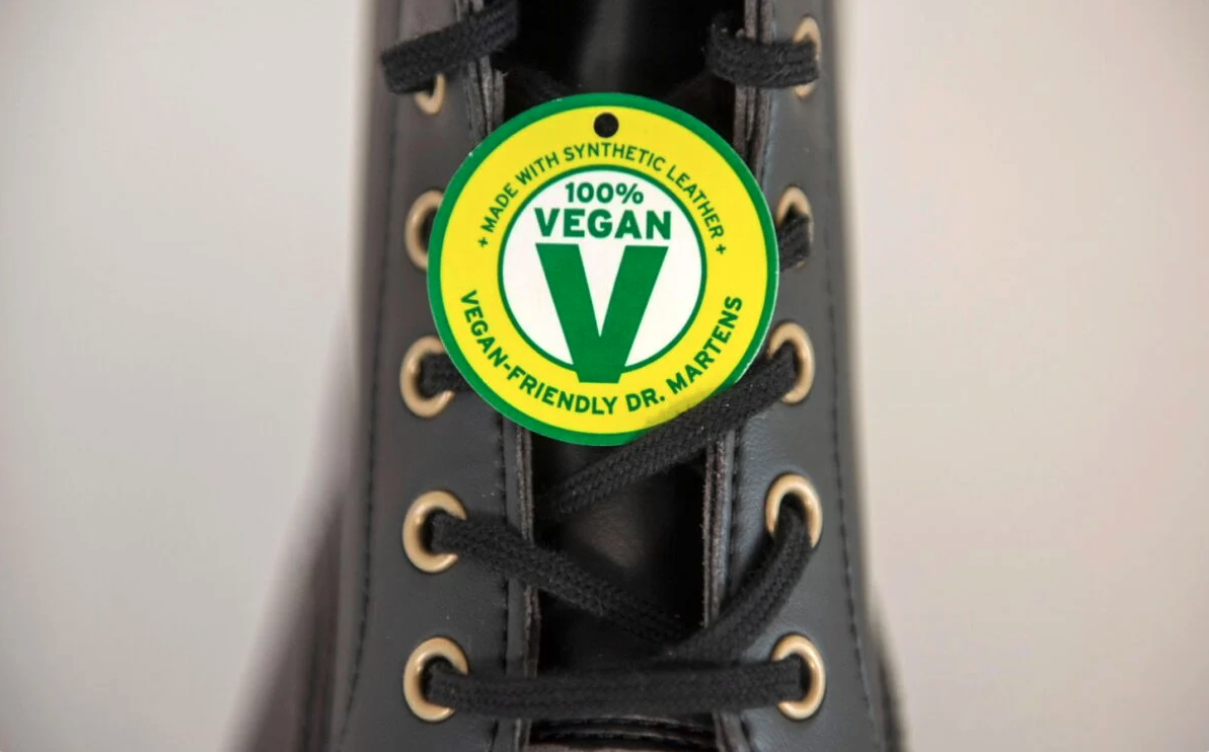
Cork Leather is One of Many Vegan Leather Alternatives
Cork leather is made from the bark of the cork oak tree. Notably, harvesting the bark does not harm the tree, making it infinitely renewable – provided the harvesting process is carried out carefully, by experts, every nine or so years, in order to preserve forest health and longevity.

Nature Underfoot: How Cork Is Reshaping Sustainable Design
Waste cork from the Sardinian and Portuguese wine industries was used to make the material, alongside raw cork from sustainably harvested from cork oak trees. The abundant use of cork gives the material sound-dampening properties, making it suitable for noisy, high-traffic interiors.

Cork Forests: Guardians of Ecological Balance
Cork forests, often overlooked in discussions about the world’s ecosystems, play a vital role in maintaining the delicate balance of our planet’s ecology. These unique forests, found predominantly in the Mediterranean region, are home to a myriad of species and offer an array of environmental benefits. In this blog, we will explore the importance of cork forests and shed light on their significant contributions to ecological balance, climate regulation, biodiversity conservation, soil preservation, and socio-economic sustainability.

Cork at the core of the Sonus faber Concertino G4 Speaker
Sonus’ new speaker utilizes materials such as cork as dampening fill in the speaker’s central chassis. This, the Italian audio company notes, allows precise modeling; it limits internal resonances, and the cork is said to reduce the need for additional damping material inside the small cabinet to help significantly improve sound quality.
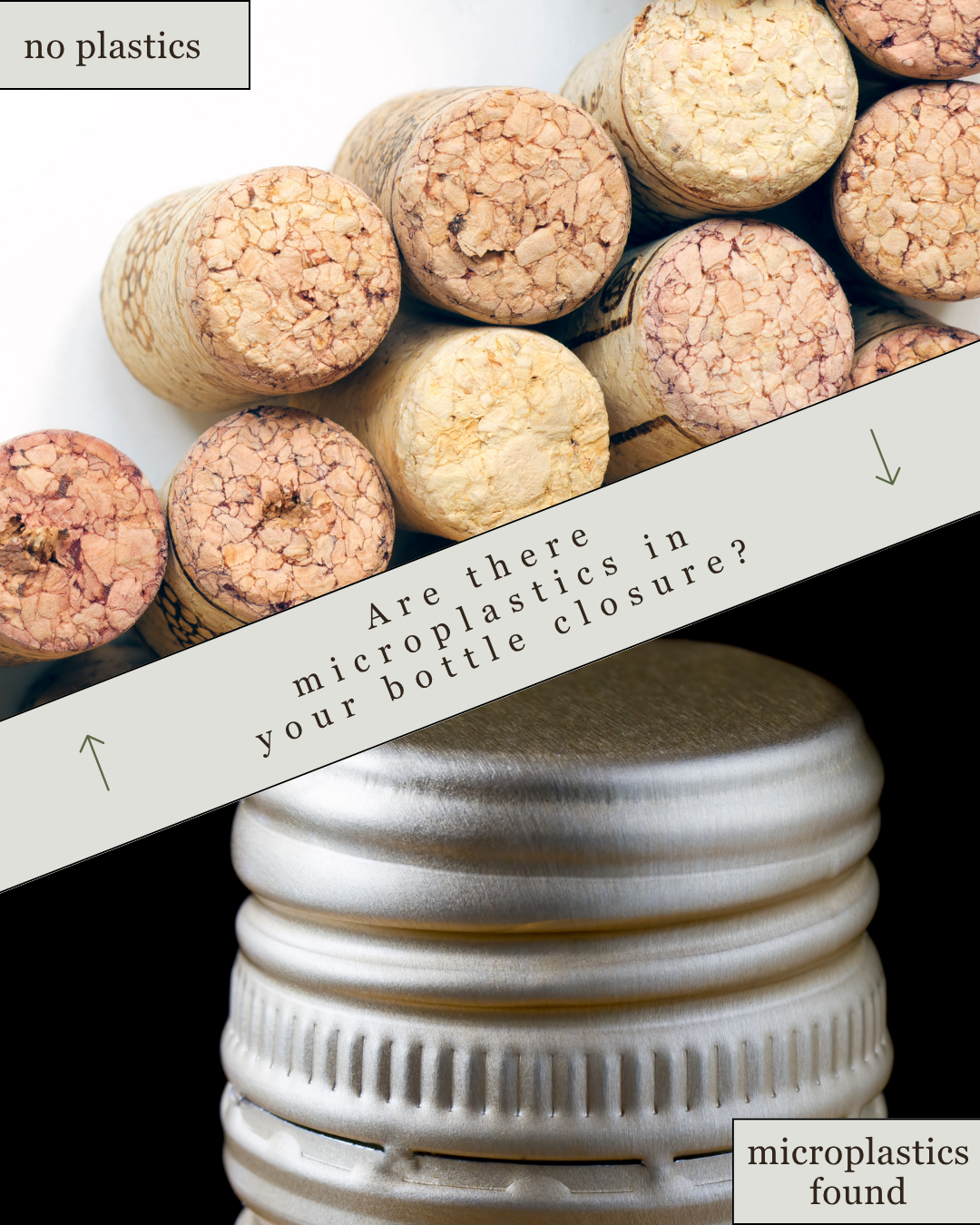
Study: The caps of glass bottles contaminate beverages with microplastics
The scientists investigated the origin of the microplastics found in drinks packaged in glass bottles with caps. Given their characteristics, they concluded that these particles probably came from the metal caps, and more specifically from the paint that covered them. The first clue: the microplastics found in the drinks were mostly the same colour and had the same composition as the paint on the caps. The second clue: the paint on these caps had tiny scratches that were invisible to the naked eye and had probably been caused by friction between the caps when they were stored before use. This friction, which released particles from the surface of the caps, was thought to be the source of the microplastics found.

Polka Coffee Table Concept Is A Study On The Versatility of Cork
Cork offers great resistance to heat and scratches as such there are already coasters made from cork sold in the market. In his design, de la Bedoyere shaped the table using inverted cork cones that serve as built-in coasters. They measure approximately 90–100mm in diameter at the top, perfectly sized to support a cup. Then the cork cones are wide at the base for stability.
“The midsole is ReCork Recycled Cork, a breakthrough material made from recycled natural wine corks collected through ReCork’s North American wine cork recycling program”…
“Sole Launches the Ultimate Après-Anything Shoe”

“Recycle Cork to Replace Petroleum Based Polymers and Foams”
Cal Poly hosts rare cork harvesting event.

“In climate change fight, power of cork seen by scientists as the star”
“Fairway Touts Sustainability Efforts with New Wine Cork Campaign”

“Eduardo Souto de Moura and Diller Scofidio + Renfro create
cork installations for Lisbon”

The pilot program, which is part of a collaboration between Endeavour Group, Amorim Cork and Save Our Soles, aims to repurpose customers’ used corks with a view to create cork-composite anti-fatigue mats.
“Endeavour Group trials cork recycling program”

“Isomi "challenges norms" of sofa design with cork and latex Tejo”