
A collaboration worth toasting: explore the history, magic and emotions behind Portuguese wine, the ritual of drinking, and the cork industry.
Original article from belfasttelegraph.co.uk by Domhnall O'Donoghue
A new partnership between a hotel group and port house honours Porto’s rich winemaking heritage, writes Domhnall O’Donoghue
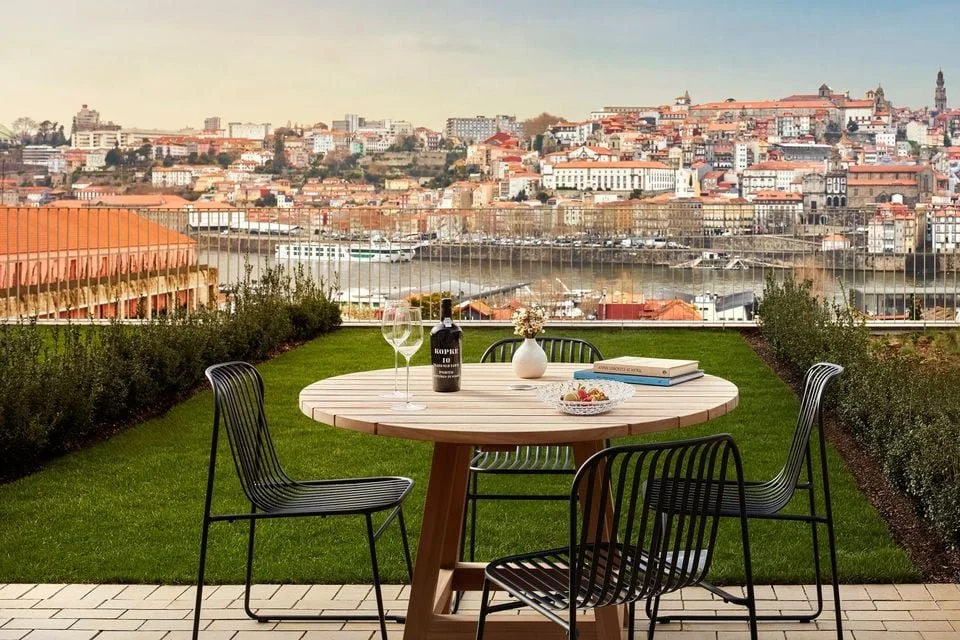
Views from Tivoli Kopke Porto Gaia, Image: Tivoli Kopke Porto Gaia
I stop on top of Luís I Bridge, sidestepping a lively tram, and gasp at the views unfolding beneath me.
Moments earlier, I arrived at Porto’s São Bento train station – undoubtedly one of Europe’s most beautiful, thanks to its intricate azulejo tile murals depicting aspects of the country’s history. There, on my phone’s oft-used map, I entered my hotel’s address, located in Vila Nova de Gaia, which lies just south of the River Douro and is, technically, a separate municipality. However, being new to the area, I hadn’t anticipated the dramatic, multi-layered layout of Portugal’s second-largest city.
I’ve now realised my mistake: rather than continuing along Avenue Vimara Peres onto the bridge’s upper level, I should have descended the steps that wind around Porto’s old city before crossing the structure’s lower deck towards the banks of Gaia.
But, in travel, there are no such things as wrong turns, only unexpected adventures. As I arrive atop this gigantic arch bridge – designed in the 1880s by Théophile Seyrig, a disciple of Gustave Eiffel – the evening sun illuminates the waterway as it rushes towards the nearby Atlantic Ocean. The view is simply breathtaking.
It’s the height of summer, with tens of thousands of visitors here admiring this magnificent destination, one of Europe’s oldest centres. The bridge, along with the historic old city to my right and the round Monastery of Serra do Pilar to my left, has been designated a UNESCO World Heritage Site.
Getting lost in Porto, as I have just done, is never problematic because, no matter where you look, something extraordinary awaits.
SOMETHING OLD, SOMETHING NEW
On the opposite side of the bridge, I notice a cable car station and pay the €7 fare to take me to the centre of Gaia. As I descend, I see signs for local port brands such as Calem, Sandeman and Fonseca, along with Kopke – one half of the team behind my accommodation.
“There’s a widely respected local practice that only illuminated signage associated with the port wine brands and cellars can be erected here in Gaia,” says Bruna Coelho. “It preserves the region’s legacy and respects its visual identity.”
Bruna is the marketing and communication manager of the five-star Tivoli Kopke Porto Gaia – a new collaboration between the prolific Portuguese hotel chain and the world’s oldest port wine house.
She explains that from the early 18th century, a few decades after Kopke’s establishment, Gaia became the focal point of the region’s port production. Wine from various vineyards across the Douro Valley was transported here along the river on Rabelo boats. The barrels were then stored in port cellars and warehouses that benefit from the south bank’s cool, shaded conditions – an ideal environment for the wine’s necessary 5–15-year ageing process.
At that time, England was at war with France, so it readily imported this sweetened, fortified wine, which comes in three main styles: ruby, tawny and white.
In recent years, neighbouring Porto – the capital of the 18 municipalities that make up the Porto District – has flourished, but Gaia has unfortunately experienced a decline in prosperity, with many buildings becoming derelict. However, like a Phoenix rising from the ashes, the area has once again transformed into a lively wine and dining district, and Tivoli Kopke has played a significant role in this resurgence.
Bruna reveals that the collaboration combines “Tivoli’s heritage of timeless travel with the unique history and legacy of Kopke”. The construction of the modern building began before the pandemic and, understandably, encountered some delays.
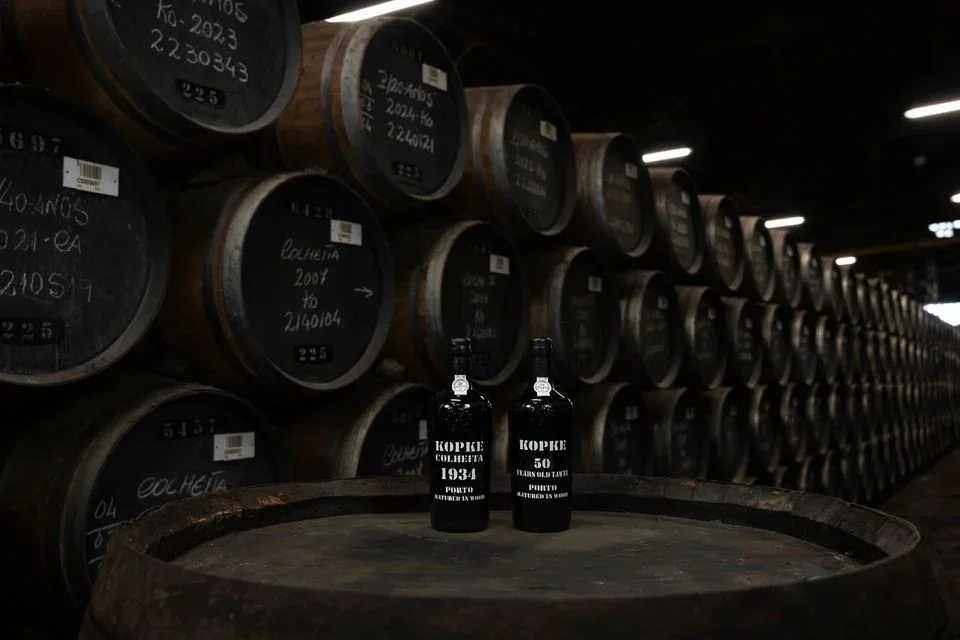
Image: Tivoli Kopke Porto Gaia
This building is seamlessly integrated into the original port wine cellars, where guests can admire Kopke’s most prized assets while enjoying a wine-tasting. Apart from the 149 bedrooms, furnished in a mid-century modern style, the property offers some of the most stunning city views I have ever seen.
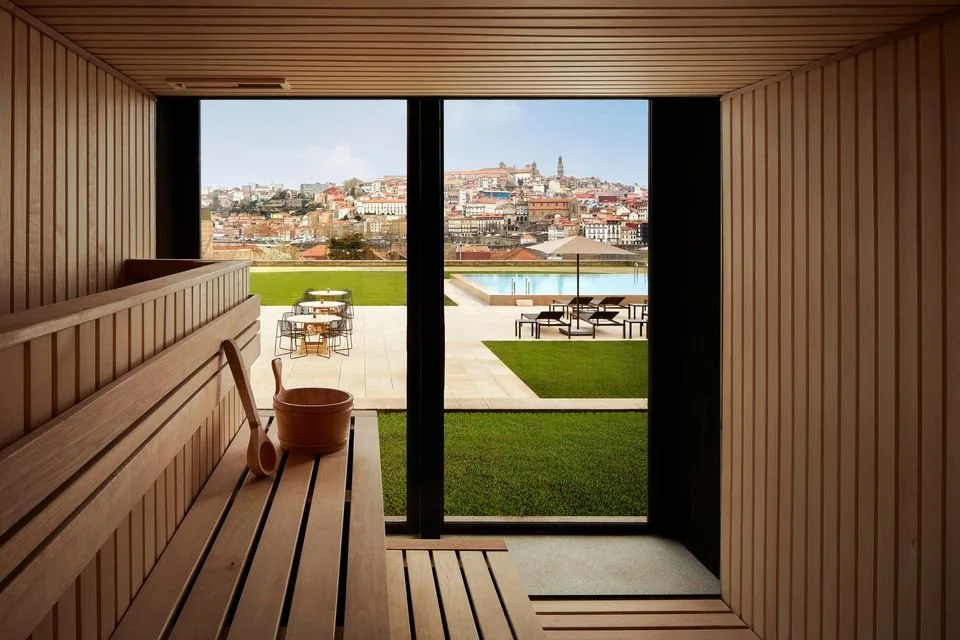
Image: Tivoli Kopke Porto Gaia
Several spa treatments even incorporate different aspects of the renowned beverage. For instance, a scrub is created using granulated cork and grape seed oil, while in another treatment, stones from vineyards are placed on specific points on the body to promote a connection with the earth. Even cloaks made from cork are used – the vibrations aim to enhance the flow of energy within the body.
Bruna reports that Tivoli Kopke has experienced brisk trade among wine enthusiasts since its opening in February.
“We also offer guided tours of the Douro Valley, where guests can fully immerse themselves in the production process.”
While visitors might expect these connections to wine, Bruna says they don’t always anticipate the hotel doubling as a gallery. The collection of paintings, prints and sculptures brings life and light to the dark corridors and communal areas.
“We have the work of local artists like Joana Vasconcelos, along with prints from Miro – and everything in between,” she proudly mentions, as we pass Joana’s artwork of a Valkyrie descending a stairwell, brought to life through colour, texture and unexpected materials.
However, it isn’t just wine, art and views that are the highlights of Tivoli Kopke, but also their culinary offerings. In addition to their Boa Vista Terrace restaurant, they provide a fine dining option, 1638 – a reference to the year Kopke was established.
It is overseen by Nacho Manzano, whose restaurant, Casa Marcial, in Asturias, has been awarded three Michelin stars. A regular visitor to Porto, he has crafted menus that celebrate the fresh, vibrant flavours of both the Portuguese city and his native Spain.
“My story, like Kopke’s, is intertwined with the legacy of our territories, our families and the rich culinary heritage of our region,” he writes in a postcard I later receive in the restaurant.
He says that wine is an extension of his dishes, inspiring him to design pairing menus that embody the “vibrancy of Porto”.
Enhancing the experience further, the single set menu – using ingredients sourced from the Iberian Peninsula – is a blind tasting, so the diner is unaware of the dishes being served. I enjoy oyster with duck jus, beef tenderloin with seaweed pesto, and a chocolate and hazelnut ‘rosquilla’ doughnut. My Portuguese is limited to ‘obrigado’, or thank you, but I say it repeatedly – and sincerely – during this incredible experience.
WORLD OF WINE
There’s another recent addition to Gaia worth visiting. A brisk walk from Tivoli Kopke will take you to WOW – World of Wine. This innovative cultural quarter features seven museums dedicated to winemaking, chocolate, art and Porto’s history. Spanning 55,000 square metres, it also includes a wine school where aspiring sommeliers can receive training.
“I like to think that the history of humankind can be told through the ritual of drinking wine,” says Marlene Maia, WOW’s press and public relations officer.
She insists that Portugal is central to that global story, noting that the country is “a microcosm of various climates, soils, altitudes and landscapes”, which explains the abundance of grape varieties and wine styles. As such, she contends, there’s more to Gaia and Porto than just port.
“We’re approximately an hour away from five different wine regions, where various types of wine are produced – white, red, sparkling wine, late harvests and fortified wines.
“However, until 2020, Gaia had 20 visitor centres dedicated exclusively to port wine.”
WOW filled this gap by creating The Wine Experience, one of the seven museums, providing an overview of all Portuguese wines.
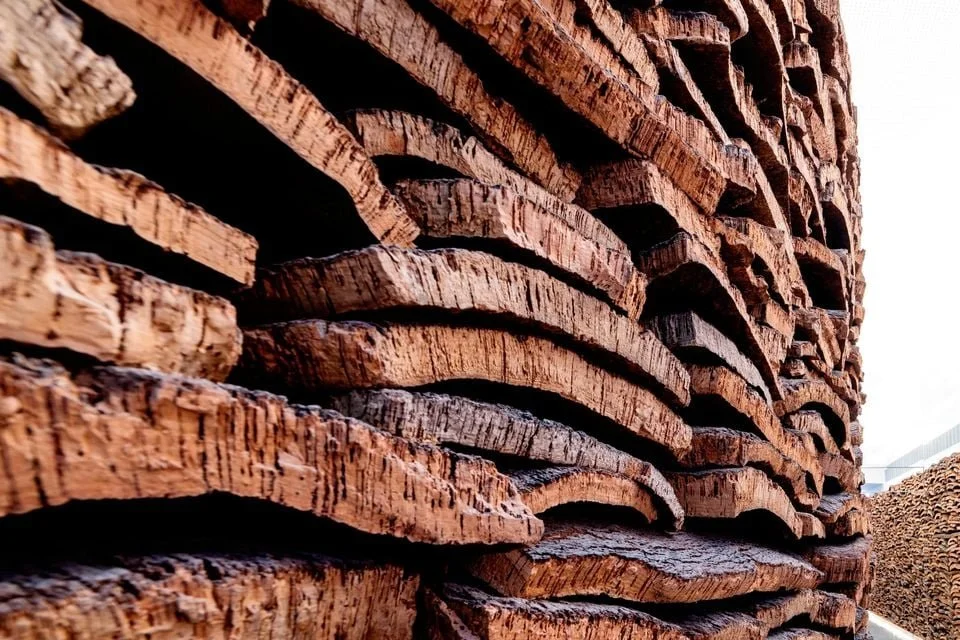
Planet Cork at WOW. Image: WOW
Discussing cork, Marlene says, “even though we’re a small country, we supply the world with half of the cork. We’re very proud to have that on our land. That’s why one of our other museums is Planet Cork. We even have a replica of a giant oak tree.”
The five-year-old venture, which employs over 400 people, is popular not only with tourists but also with locals, thanks to its educational offerings.
“That’s the most brilliant part for me - kids having these immersive experiences. They’ll remember a day here forever.”
Marlene highlights another unique feature of WOW. CEO Adrian Bridge owns a collection of wine glasses and containers, the oldest of which dates back to approximately 7000 BC.
“It’s one of the world’s most comprehensive private collections of cups. It expresses, with enormous beauty, the history and customs associated with the drink.”
As Marlene and I chat, we stand on the terrace, admiring our surroundings, including the Luís I Bridge, which I had accidentally climbed the day before. I mention that Gaia is lively and bustling. However, Marlene, a local, reiterates what I had previously learned: it wasn’t always like this. She describes an area blighted by abandoned buildings.
“Our goal is to explore the history, magic and emotions behind Portuguese wine, the ritual of drinking, and the cork industry. More importantly, Adrian opened the quarter’s hotel, the Yeatman, and then WOW, to conserve these old, important structures.
“Given the incredible, ancient history of Gaia, they deserve to be protected.”