
Putting a Cork in Tariffs
Original article by WorldTeen
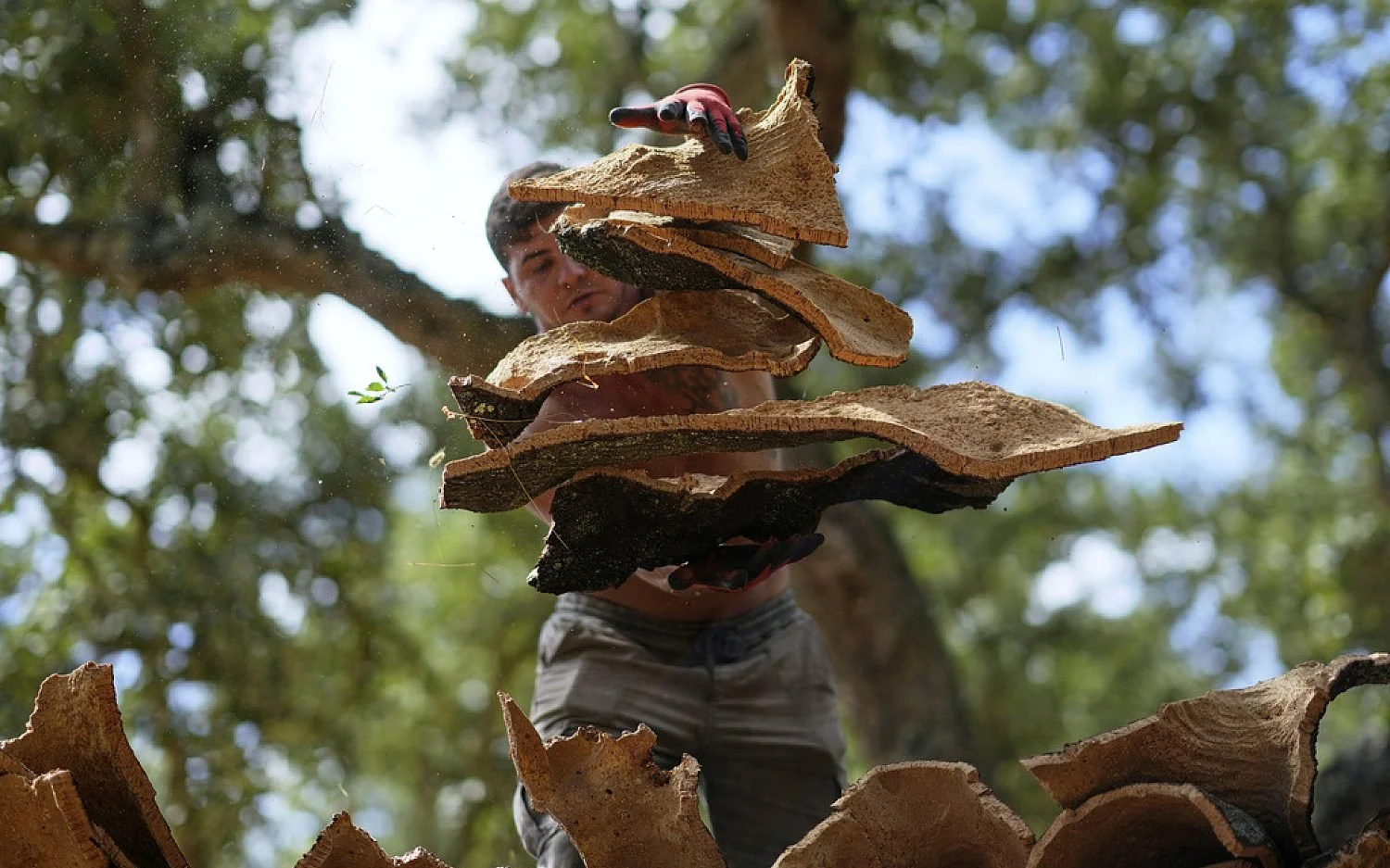

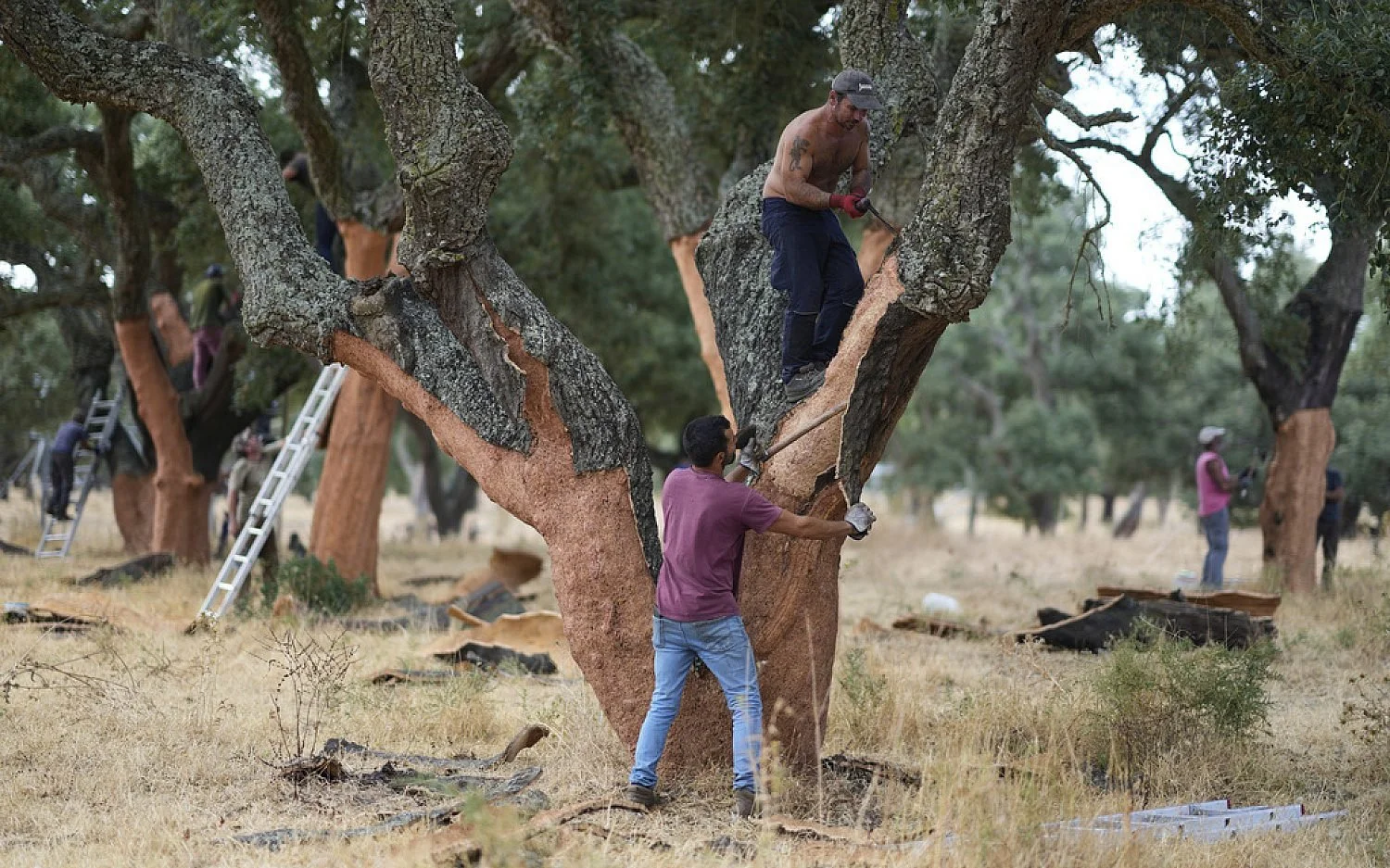
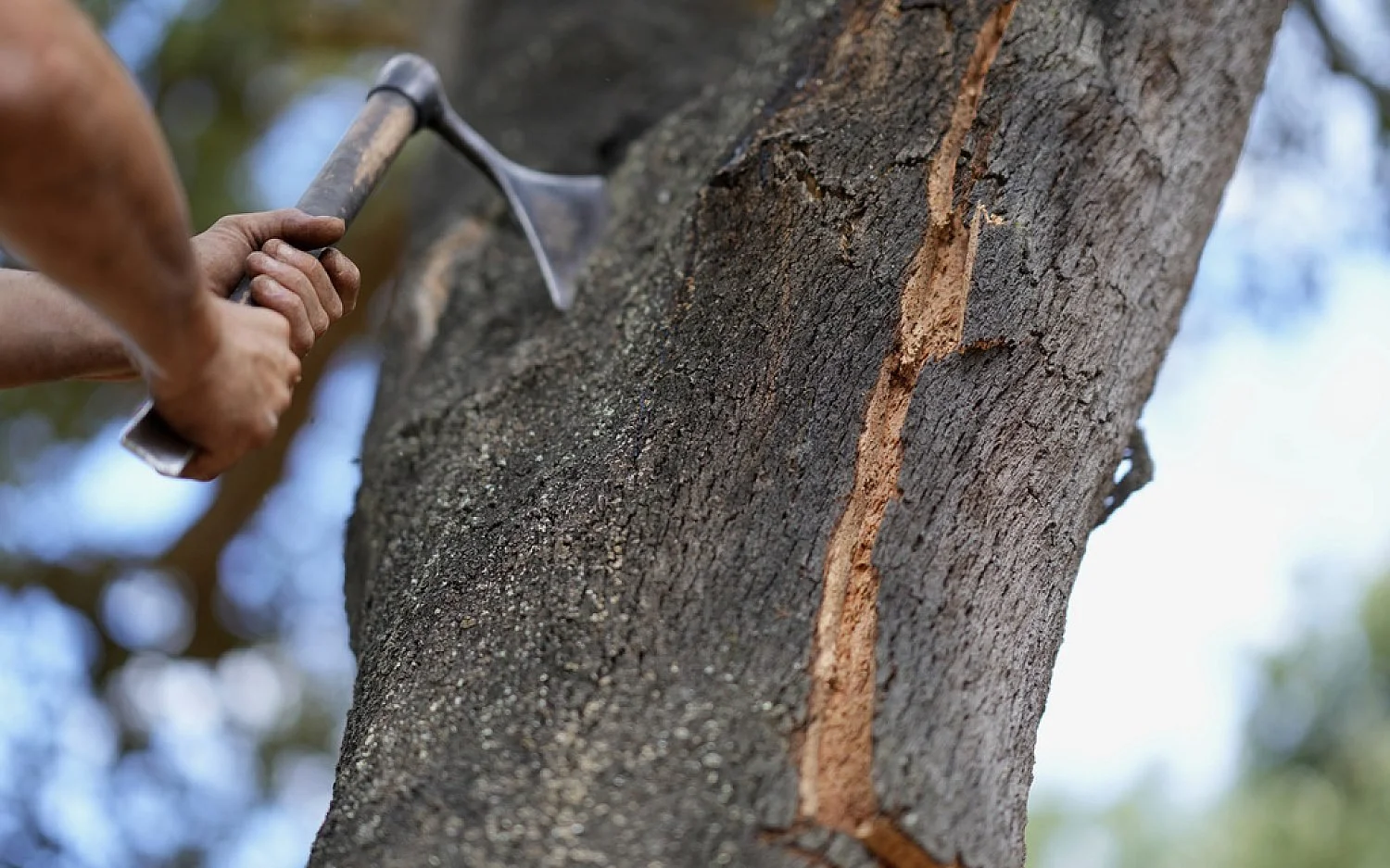
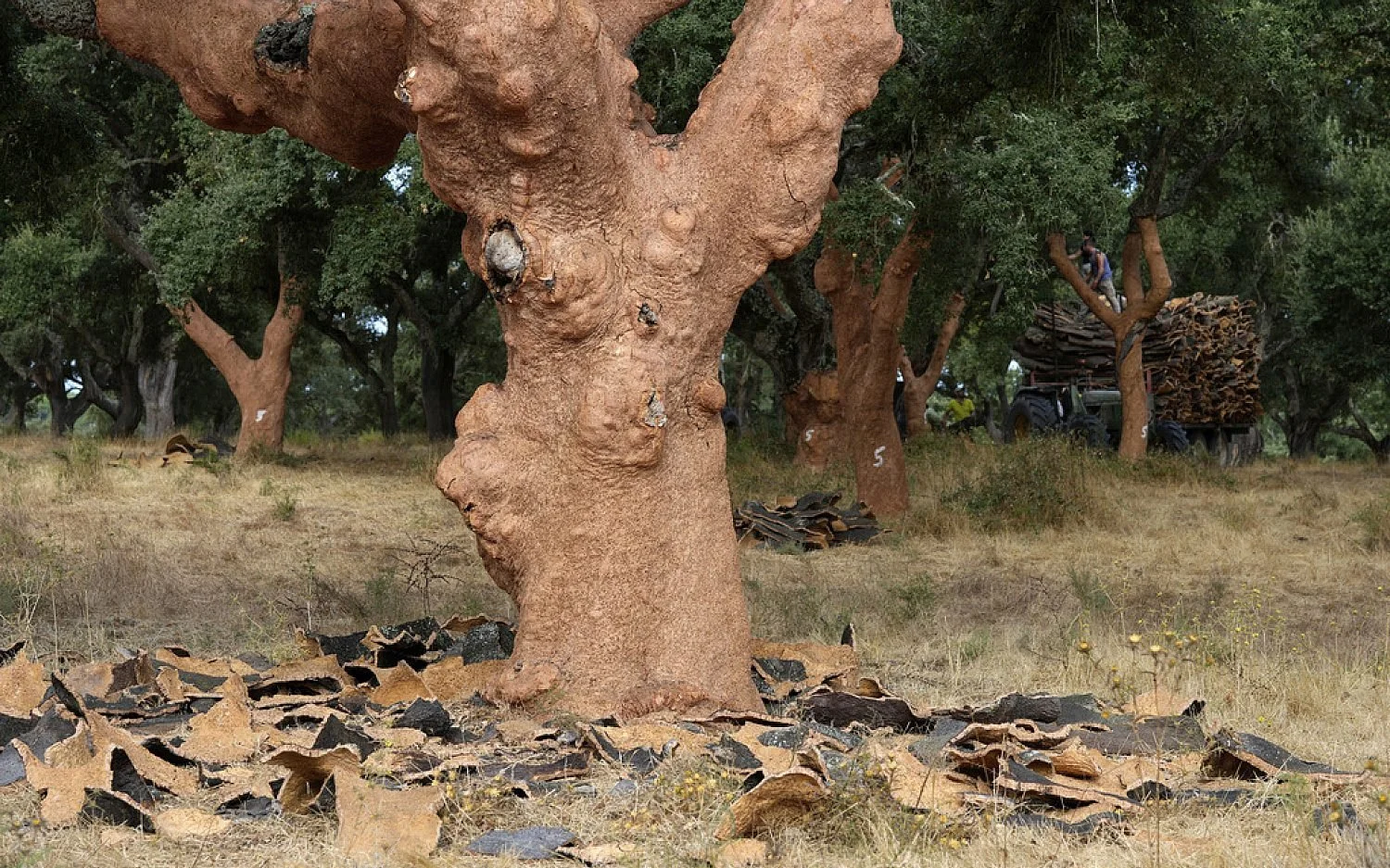
Images: AP/Armando Franca
Since taking office last year, President Donald Trump has heavily taxed many products coming into the United States. These tariffs often make headlines. However, some products receive exemptions. What’s up with that?
Tariffs are taxes imposed by one country on goods from another country. The importer pays the tariffs. World leaders often use tariffs to punish or bargain with another country.
President Trump employs both tactics. But he also seeks to use tariffs to protect American industries, decrease U.S. dependence on other countries, and increase U.S. income.
Cork, the spongy natural material that stops bottles and pads pinboards, received a Trump tariff exemption. The renewable material appears in products from purses and shoe soles to fishing rods. It comes from the bark of the cork oak tree, Quercus suber.
Q. suber grows chiefly in countries surrounding the Mediterranean Sea. Portugal is the world’s largest producer. About half of all cork in the world grows there.
The United States is the second largest importer of cork from Portugal. Most comes in the form of stoppers for olive oil, honey, and various beverages, according to the Natural Cork Council.
But cork does more than help contain liquids. NASA and SpaceX have used it for thermal protection on rockets. Turf managers use cork crumbles on sports fields. Engineers insert it into airport runways as a shock absorber.
It shouldn’t surprise us that a God-made substance like cork is so versatile. God knows the end from the beginning—rockets to runways—and gives freely and creatively (cork grows on trees!) to meet human needs.
An important import like cork might seem ripe for tariffs. But cork industry leaders and Portuguese diplomats lobbied the U.S. government. They prevailed. Cork became exempt from tariffs.
The government called cork an “unavailable natural product.” The label recognized that the United States doesn’t have a cork industry, so tariffs on cork wouldn’t protect Americans.
And why hasn’t the United States developed its own cork industry? Parts of California’s climate mirror the Mediterranean.
Turns out, America gave cork a go during World War II. U.S. officials feared the cork supply would be plugged by German blockades. So people planted cork trees around the country. Some of those 80-year-old oaks still survive. But the effort never brought forth cork. A cork oak takes 25 years to produce its first bark for harvesting.
António Amorim heads one of the world’s largest cork companies in Portugal. He explains this way: “Americans are not patient enough to wait for a tree that takes 25 years to give its first harvest.”
Is he correct?
Why? When rules seem “unfair,” arbitrary, or just plain ignorant, it’s often helpful to consider history, context, and a little about why rules are made and exceptions granted.